The story of how a single call from an executive assistant in a small American manufacturer reached the West Wing — and ended with the President of the United States establishing the nation's first Strategic Housing Reserve.
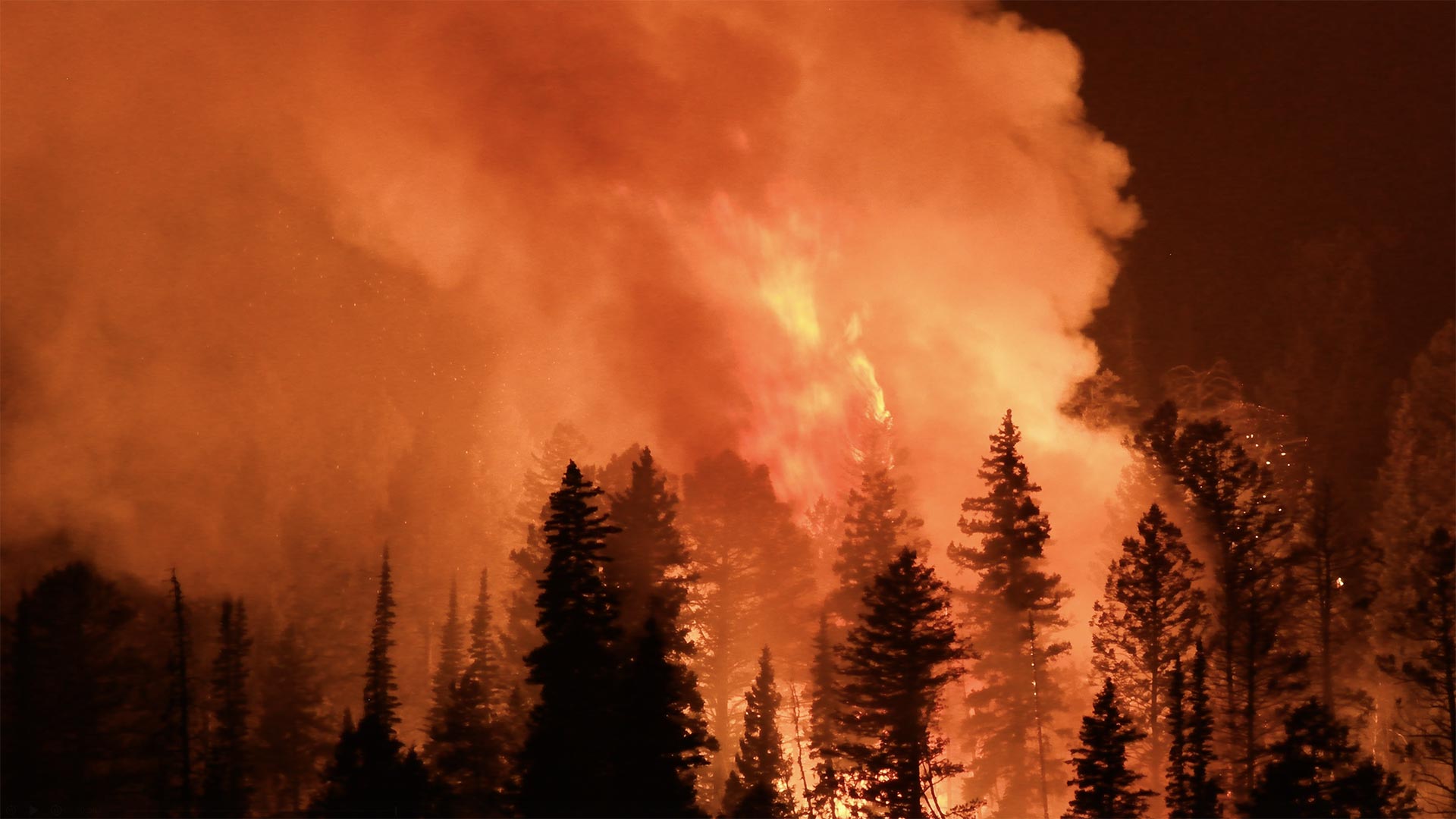
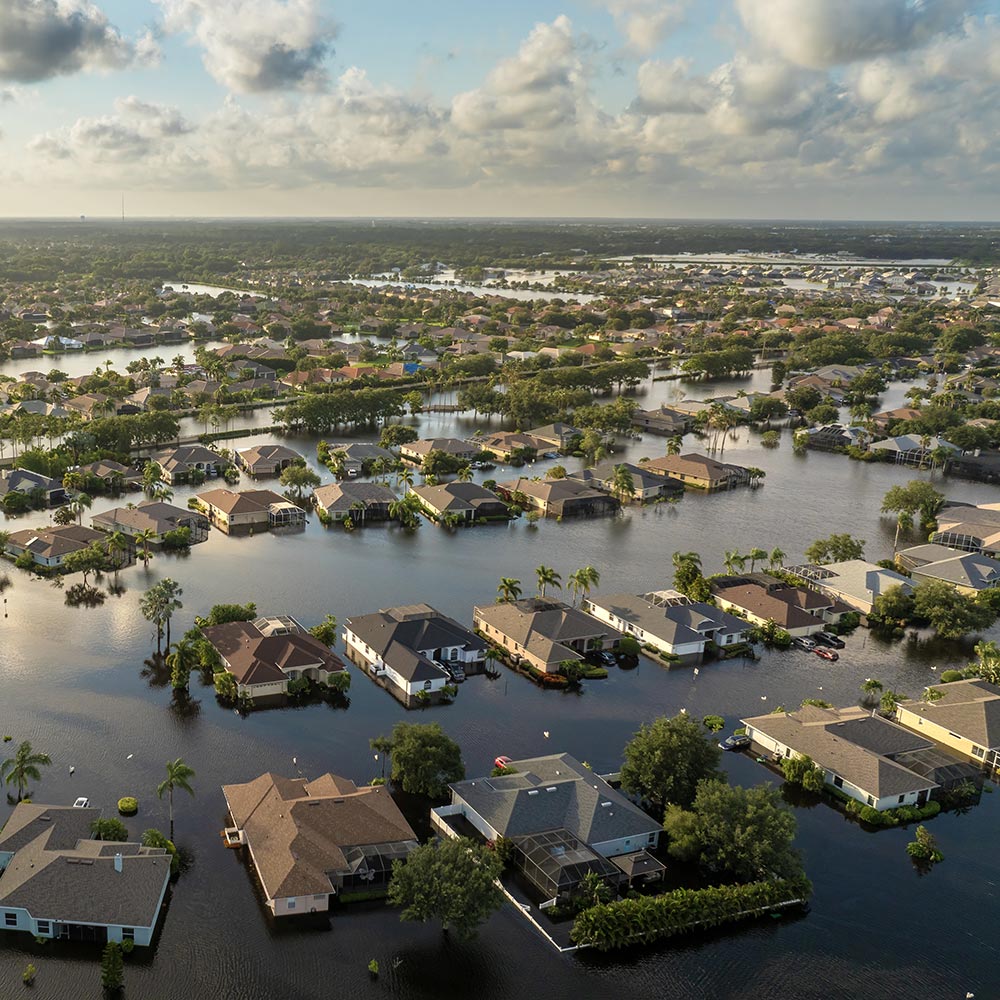
In the winter of 2026, America faced an emergency it had never been prepared for. Wildfires in the West. Floods across the Mississippi basin. A relentless tornado season tearing through the heartland. Tens of thousands of families were displaced — and the federal response to shelter them was measured in months, not hours.
What follows is the timeline — declassified for the public record — of how that changed.
Each entry below is drawn from official communications, White House logs, and on-site documentation collected by the Office of National Resilience.
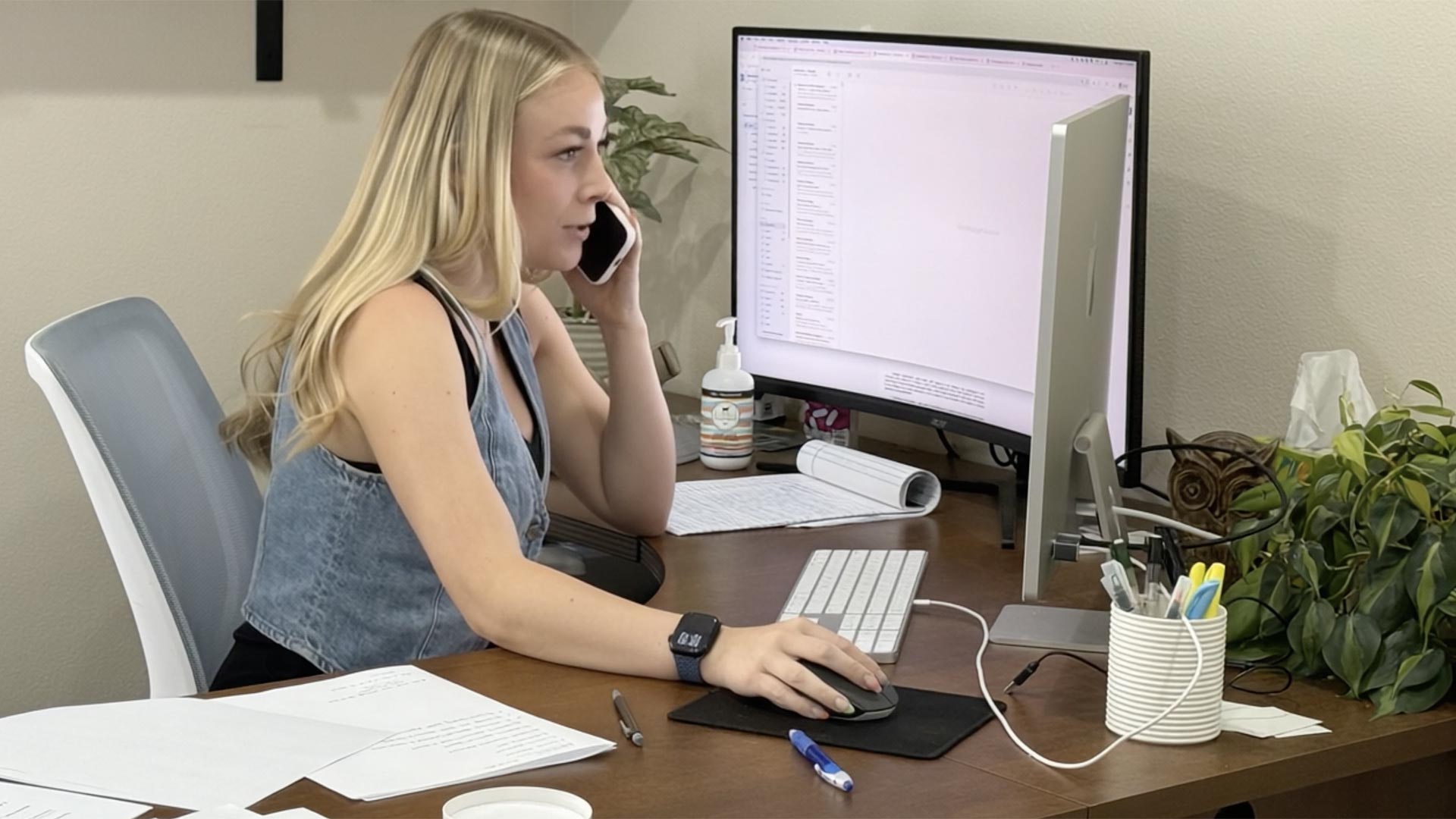
Allie Larson — executive assistant to the founder of ReadyPod by BoxHouse, a Texas-based rapid-deployment housing manufacturer — placed a call from her desk that, by any reasonable measure, should not have reached the White House.
It did. Forty minutes after she dialed the federal disaster response line, the company's overnight production figures and field-deployment timelines were on a desk in the West Wing. By that afternoon, Larson was the named point of contact for what would become the largest emergency-housing initiative in American history.


.jpg)
While Larson's file moved through the West Wing's intake desk, the country kept burning, flooding, and breaking apart. In a six-day window, FEMA logged disaster declarations across fourteen states. Existing shelter capacity was already overwhelmed.
What had been a slow-moving policy problem became an unmistakable national emergency. The President was briefed three times in seventy-two hours.
In a Roosevelt Room briefing, senior staff laid out the gap: the federal government could move tents in days, but permanent-grade rapid housing in weeks. ReadyPod's BoxHouse units — engineered, insulated, and trucked in fully built — could close that gap.
The President asked for the company's point of contact by name. Allie Larson was designated to coordinate directly with the White House housing council. From that meeting forward, every operational call ran through her desk in Texas.
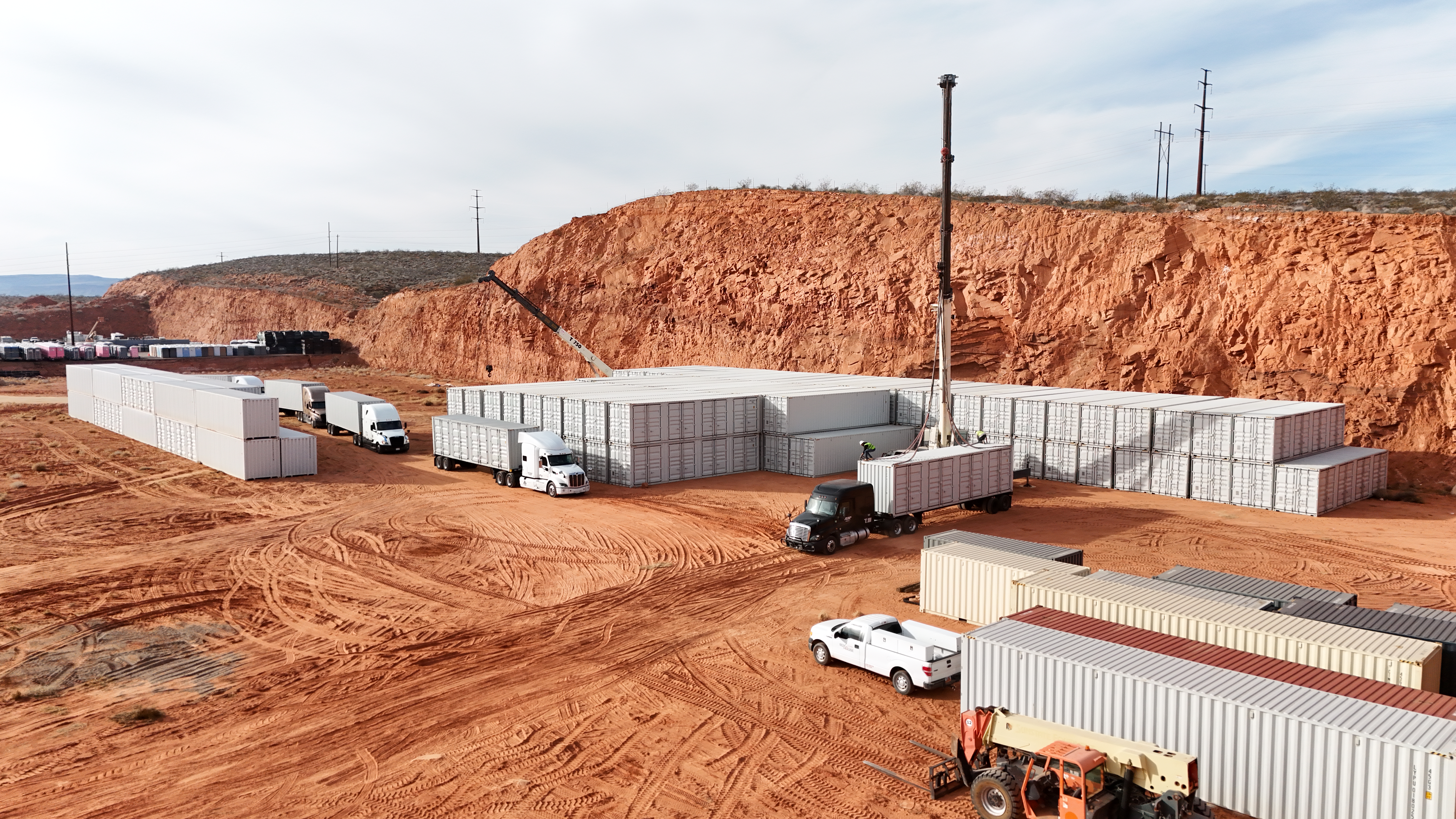
The White House working group — chaired by the Secretary of Housing, with HUD, FEMA, the Corps of Engineers, and ReadyPod's leadership at the table — finalized the operational profile: a federally pre-positioned reserve of rapid-deployment housing units, stockpiled at strategic depots and trucked to disaster zones inside 72 hours of a federal declaration.
Allie Larson coordinated logistics from the manufacturer's side, sitting in on every working-group call. The President was reportedly impressed with how quickly the private side moved when the public side actually picked up the phone.
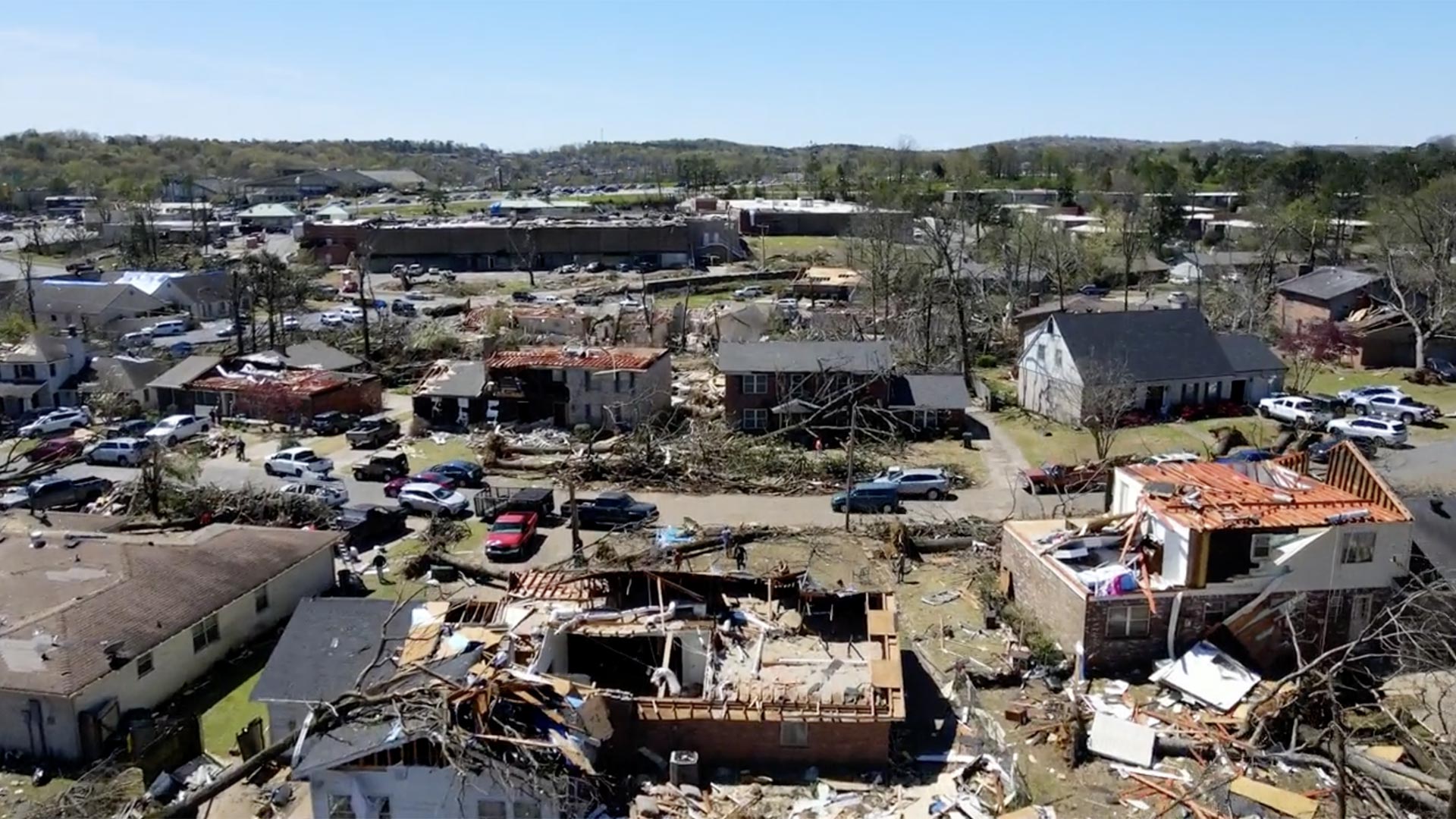
Late on a Sunday evening, an EF-4 tornado tore through a small West Texas community west of Odessa. Hundreds of homes were destroyed in a corridor less than a mile wide. By dawn, more than 900 families had no place to return to.
Within hours, the Governor of Texas requested federal assistance. The working group's draft framework — still unsigned, still not law — was dusted off in the Oval. The President made the decision that night: the Reserve would not wait for legislation. It would be created by executive order, and the first deployment site would be in West Texas.
Whereas the United States has, in recent years, faced an unprecedented confluence of natural disasters that has displaced its citizens at a rate exceeding the capacity of existing federal sheltering programs; and whereas a strategic, pre-positioned reserve of rapid-deployment housing is essential to the resilience of the American homeland —
It is hereby ordered that there shall be established within the Executive Branch of the Government of the United States a Strategic Housing Reserve, to be administered by the Office of National Resilience.
For six weeks, the framework moved between the Office of Legal Counsel, the Domestic Policy Council, and the working group. Site selection committees identified the first three depot locations: Odessa, TX; Mountain Home, AR; and a then-undisclosed Western parcel.
Larson remained the operational point of contact for the manufacturer of record. Production lines in Texas were already running ahead of schedule when the order reached its final form.
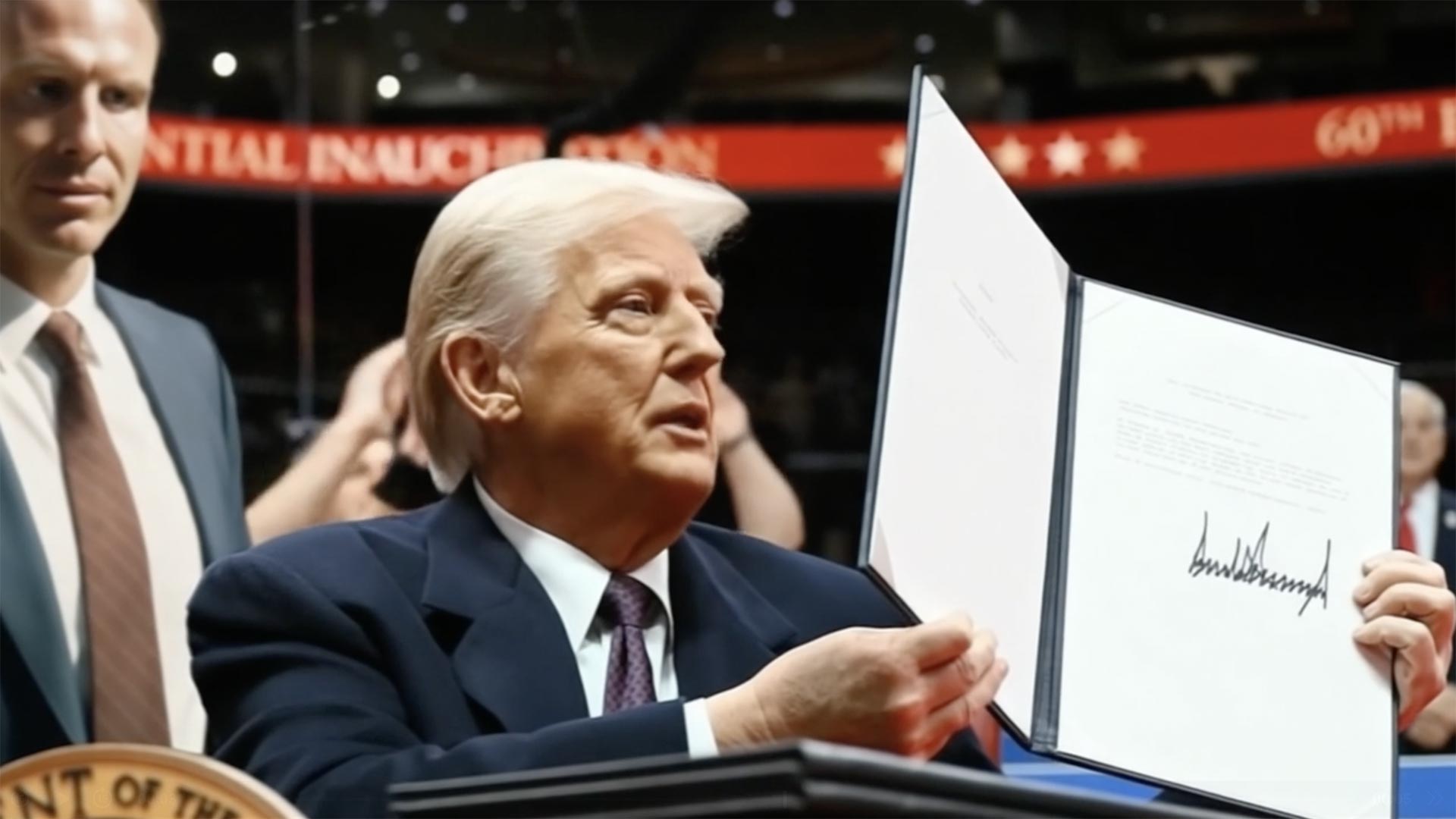
On April 15, 2026 — seventy-nine days after the call from a desk in West Texas reached the West Wing — the President signed Executive Order №14271, formally establishing The Strategic Housing Reserve.
Allie Larson was in the room. So were the engineers, drivers, and welders who had built the units that would fill the first depot. The President thanked the company by name — and Larson by name — for what he called "the kind of American operation we're going to need a lot more of."
"I, Donald J. Trump, President of the United States of America, by the authority vested in me by the Constitution and the laws of the United States, hereby establish The Strategic Housing Reserve — a permanent, pre-positioned national stockpile of rapid-deployment housing for American families displaced by disaster."
Signed • 15 April 2026 • The Oval Office
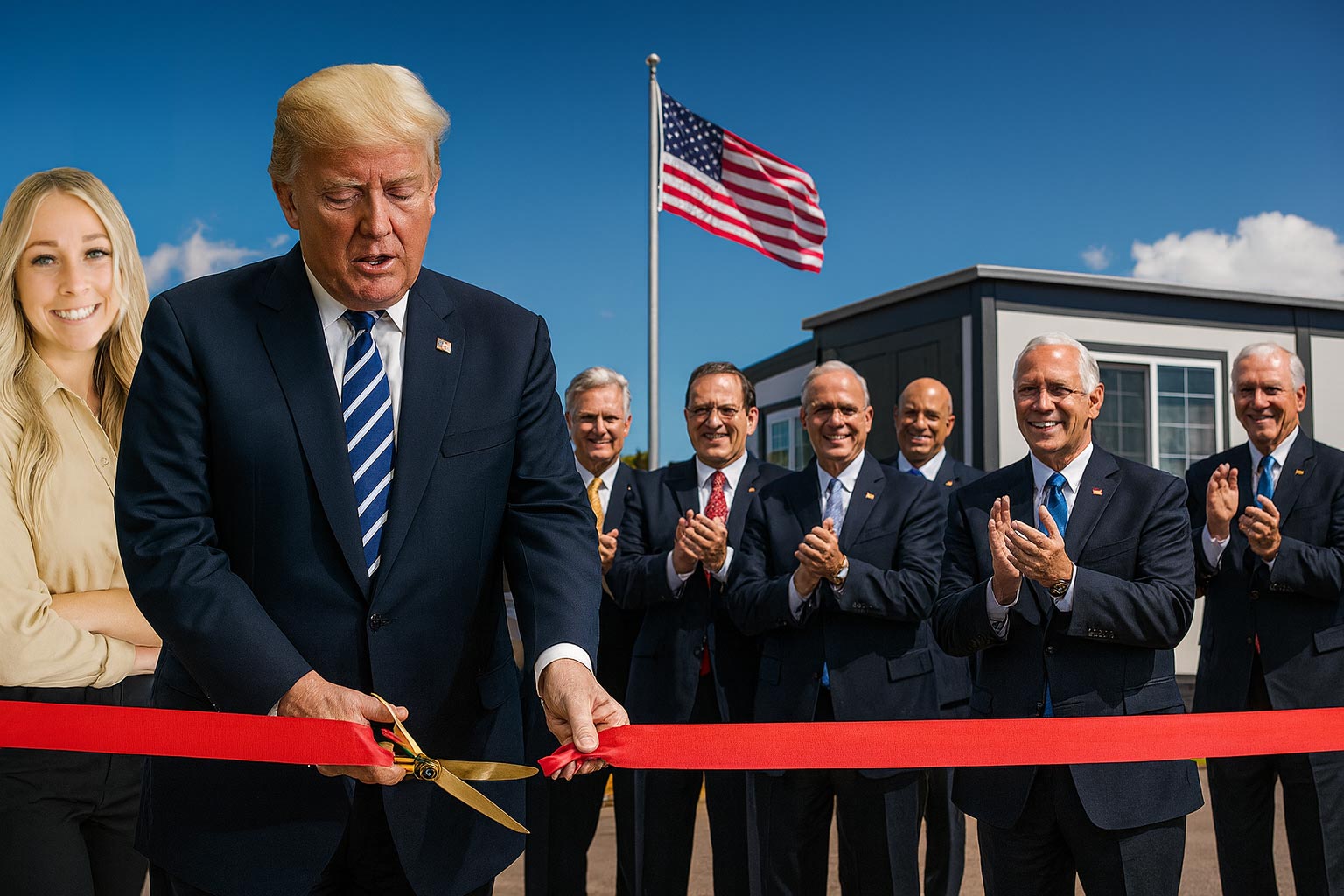
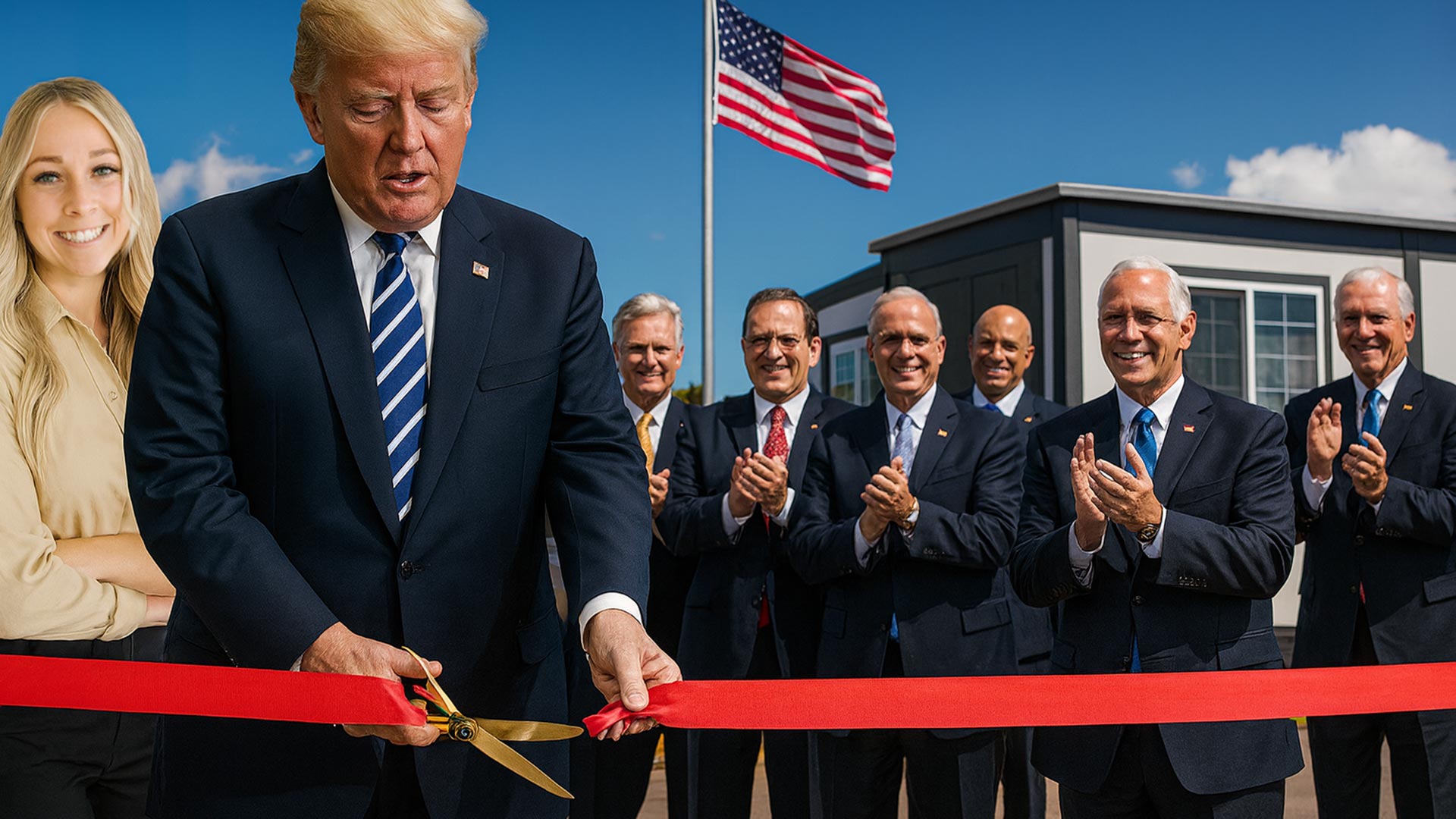
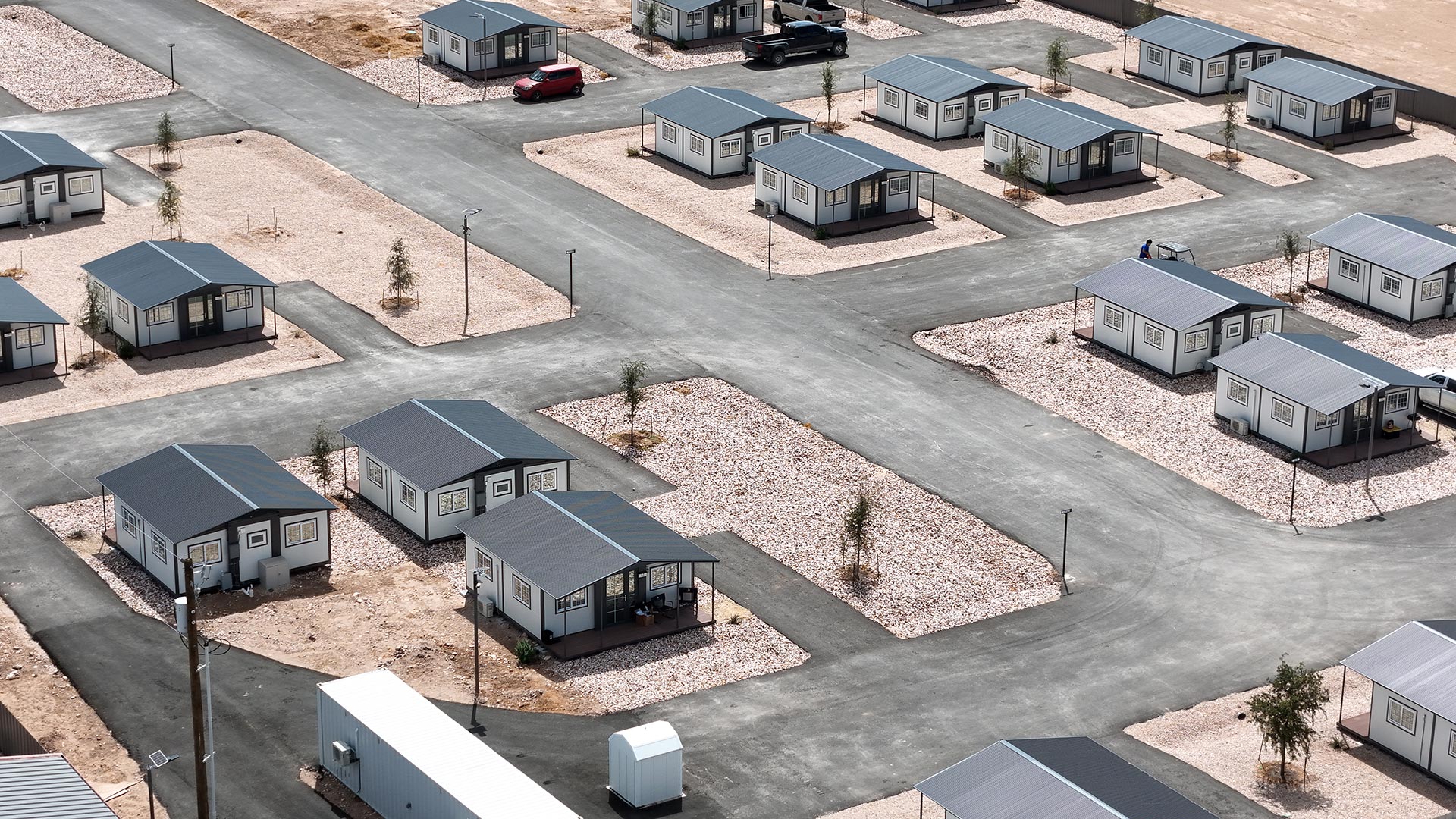
Eleven days after the signing, the first SHR village opened on a depot site outside Odessa, Texas — directly serving the families displaced by the February tornado. The President flew in for the ribbon-cutting. Allie Larson stood at his side, where she had been since the morning the call was placed.
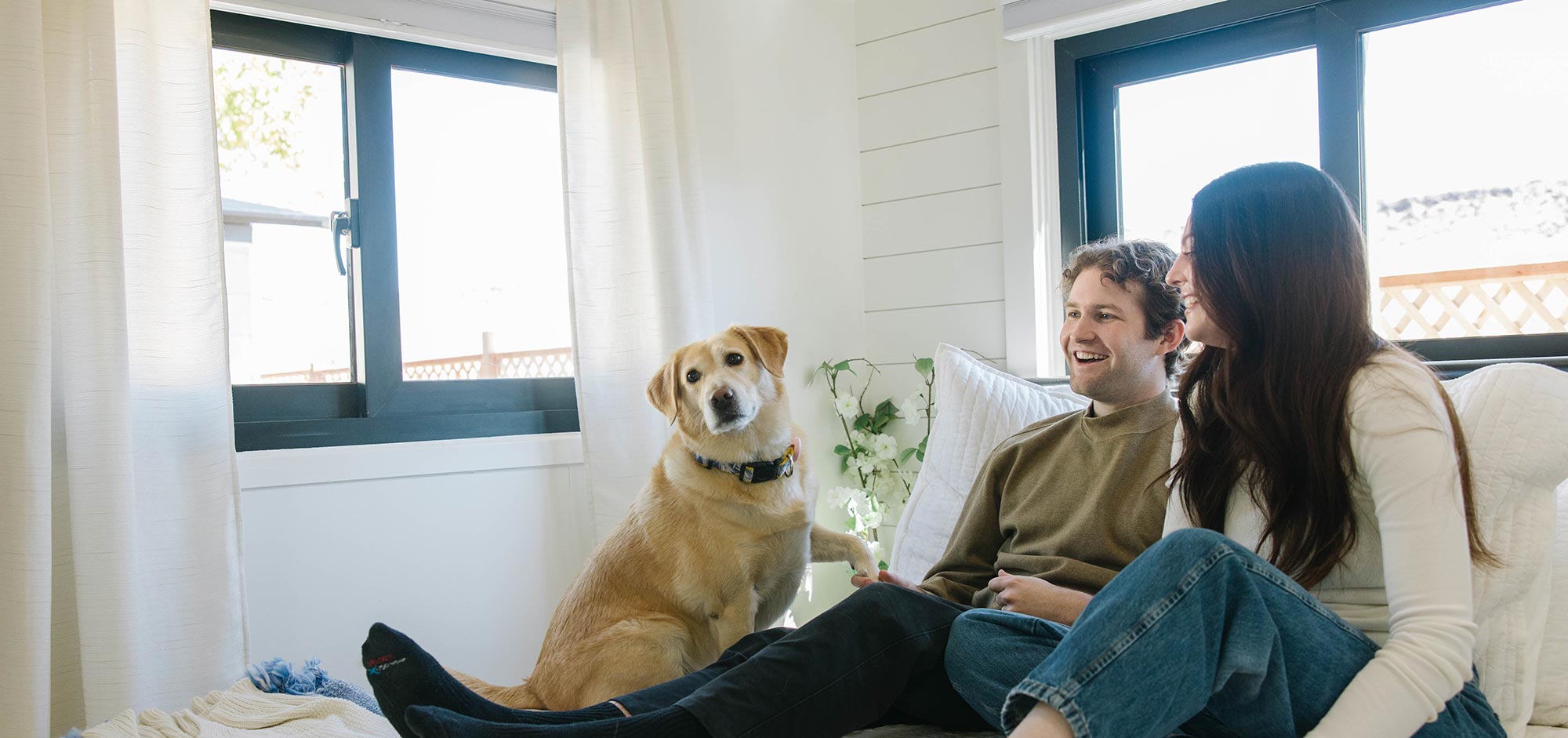
Three hundred and twelve families moved into the first village within seventy-two hours of the cut. Power, water, and broadband were operational at every unit. The families displaced by the West Texas tornado — who had spent more than two months in temporary shelters — had keys to a home again.
"We did this in seventy-nine days," the President remarked at the ceremony. "Seventy-nine days. Because we have the best companies, the best workers, and the best people in the world. Allie, where's Allie? She's the one who started this. Stand up, sweetheart — take a bow."

It began with one phone call, from one American who refused to believe the federal government could not move faster. It ended with a national reserve that will, for the first time in our history, ensure no displaced American family waits months for a roof. This is what is possible when private industry and the United States Government act as one.
Strategic depots in every FEMA region, stocked and ready to deploy.
Permanent-grade housing on the ground within seventy-two hours of declaration.
Built by American manufacturers in American factories, by American workers.
A national promise that no family is left waiting in the cold.
— End of Public Record —